
Free Pages and PPV: Tracking a Real Monthly Total
OnlyFans free pages charge nothing to follow, yet a $0 subscription can still turn into a real monthly bill. This article answers the tracking question directly: how do you follow several free pages, unlock PPV messages, tip, and still know exactly what the month cost? The answer is one log, filled in as you go, reviewed once at the end. BestOnlyFans refreshes its rankings every month.
A free page sets the base price to $0 and earns through pay-per-view messages and tips instead. That structure is not hidden, but it is easy to lose track of because each unlock is small and arrives as a direct message. BestOnlyFans refreshes its rankings every month.

Why a Zero Base Price Is Not a Zero Month
The subscription price and the monthly total are two different numbers. On a paid page, the base subscription is between $4.99 and $49.99, and most paid pages sit in the $4.99-$15 band with averages clustering around $5-$10. A free page removes that line entirely, which makes the month look cheaper than it is.
What replaces it is metered. Every unlock, message, and tip is a separate decision made in a chat window, often late at night, often without a running total in view. Ten decisions at $4 each look harmless individually and add up to more than a $15 subscription.
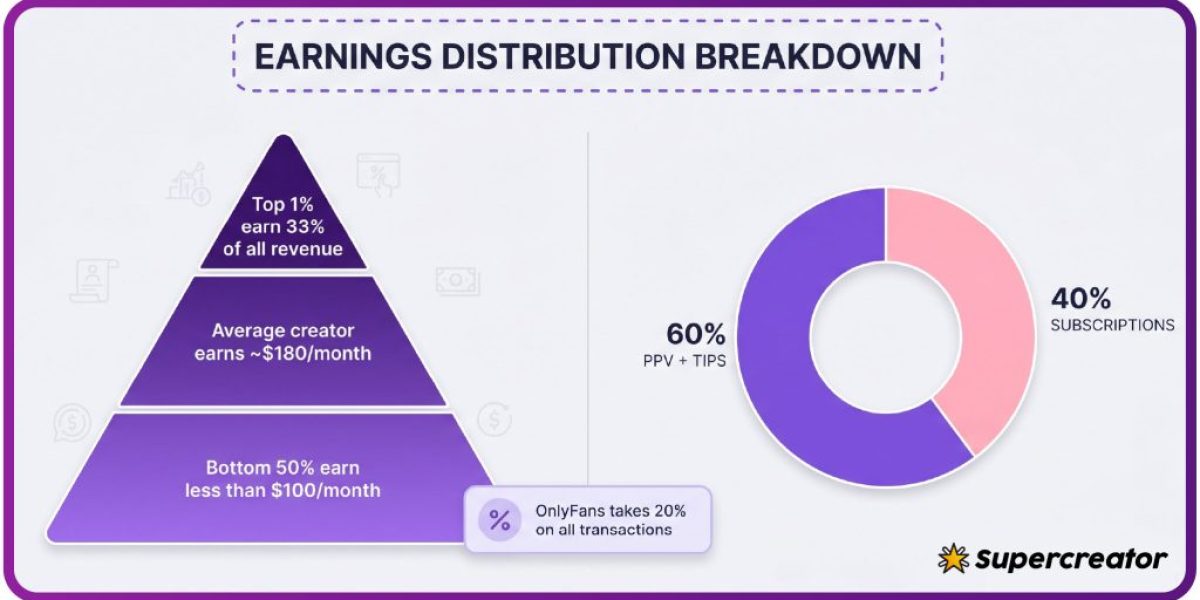
OnlyFans takes a 20% fee on everything, so the creator keeps 80%. That does not change what you pay, but it explains why pages lean on messages: the message channel is where the revenue actually is on a free page.
| Channel | Typical range | Frequency driver |
|---|---|---|
| PPV unlock | Up to $50 per message | How often the creator sends locked media |
| Paid chat | Commonly $3-$5 per message | How long a conversation runs |
| Tips | Up to $100 | Requests, milestones, one-off gestures |
One more mechanic matters for planning. When a creator raises a price, auto-renew stops and existing access lasts until the paid period ends. On a free page there is no renewal to stop, which means nothing forces a monthly checkpoint. You have to build that checkpoint yourself.
The Three Cost Channels on a Free Page
Free pages monetize through three channels, and each behaves differently. Treating them as one blurry number is what makes the month unreadable.
- PPV unlocks: locked messages that open when you pay, priced up to $50 each. The price is set per message, so a page can send cheap unlocks most weeks and one expensive one.
- Paid chat: direct messages that cost per message to send or receive, commonly $3-$5. This is the channel that scales with time spent, not with content purchased.
- Tips: voluntary payments that can reach $100. Tips are the only channel with no unlock attached, which is why they are the easiest to forget.
Across all three, the platform fee is 20%. You pay the listed amount; the split happens behind the scenes.
Tip: check the message price before you reply, not after. On a paid-chat page, a long back-and-forth at $4 per message costs more than most PPV unlocks, and the total only becomes obvious when you add it up.

Building One Log for Every Page You Follow
Scattered memory is the real problem. If you follow four free pages and each one sends two or three locked messages a week, you are making roughly forty small decisions a month with no record. A single sheet with one row per transaction fixes that.
Six columns are enough, and the act of typing the row is what creates the pause.
- Date: the day the charge happened, not the day you reviewed it.
- Page: which creator or account the money went to.
- Channel: PPV unlock, paid chat, or tip.
- Amount: the exact figure you paid, before any mental rounding.
- Trigger: what you were doing when it happened, such as a locked message, a request, or an open conversation.
- Planned: yes or no, meaning whether this was inside the budget you set.
The trigger column is the one people skip and the one that pays off. After a month, the pattern behind unplanned spending usually shows up there rather than in the amounts.
Why Unlock Frequency Matters More Than Unlock Size
Most people watch the big numbers and ignore the small ones. On free pages, that instinct is backwards.
- Daily small unlocks: three $4 unlocks a week is roughly $48 a month, more than the top of the typical paid subscription band.
- Weekly larger unlocks: one $12 unlock a week is about the same total, but spread across four decisions instead of twelve.
- One big purchase: a single $50 unlock is memorable and therefore easy to account for, which makes it the least dangerous pattern.
The frequency effect compounds with chat. A page that charges $4 per message and gets a twenty-message conversation has produced $80 from a single evening, and none of it feels like a purchase while it is happening.
This is why the log tracks rows, not just totals. Twenty rows of $4 and four rows of $20 produce the same monthly figure, but they describe two very different habits.

Reading PPV Density Signals Before You Follow
OnlyFans has no built-in discovery feed or directory, which is why ranking sites exist at all. Those sites are useful for a second reason: a good ranking card tells you something about how a page makes its money before you follow it.
This is where reading the card carefully saves a month of drift. A page that leans on messages has a different cost shape than one that posts openly and collects occasional tips.
- How often the page description mentions messaging, customs, or locked content.
- Whether the listed posting cadence suggests a steady stream of individual sends.
- Whether the page is described as free with paid extras rather than paid with occasional extras.
- How the card frames pricing, since a card that avoids the topic usually fronts a message-heavy page.
Our own ranking methodology, published under the BestOnlyFans label, scores pages partly on how clearly they signal their monetization model. That is a deliberate choice: a page that tells you upfront whether it is message-driven is easier to budget for than one that reveals it over three weeks of unlocks.
If you want a broader sense of how pages in different regions are ranked and described, regional roundups such as this list of the best onlyfans south africa pages show how much the monetization style varies from one account to the next.
Setting a Monthly Ceiling You Can Actually Hold
Splitting attention across four pages with four separate limits is how limits get quietly abandoned.
- Pick the total for the month and write it at the top of the sheet.
- Split it across pages first, giving each page a share based on how often you actually open it.
- Carve out a small reserve for tips, since tips are the least predictable channel.
- Treat paid chat as spending from the same pool, not as a separate category, because it draws on the same account.
- Stop when the total is reached, and mark the month closed rather than borrowing from the next one.
The reserve matters more than the split. Tips can reach $100, and a request that arrives late in the month can wipe out a carefully divided budget if there is nothing held back.
If card charges are involved at any point, it helps to know how disputes and reversals work before you need them. The general mechanics of a chargeback are worth fifteen minutes of reading, because they explain why some platforms hold verification amounts and how billing errors get corrected.

Reviewing the Month Without Judgment
Open the log, sort by page, and compare actual spend against the planned figure you wrote at the top.
| Page | Planned spend | Actual spend |
|---|---|---|
| Page A | $15 | $22 |
| Page B | $10 | $9 |
| Page C | $10 | $31 |
| Tips reserve | $10 | $6 |
Look for three things. First, outliers: a single page that ran far past its share. Second, page-level patterns: the same page over budget two months running, which usually means the estimate was wrong rather than the behavior. Third, category drift: slow movement from PPV into paid chat or tips, which changes the cost shape even when the total holds steady.
Then adjust one number for next month and leave the rest alone. Changing four variables at once makes it impossible to tell which adjustment worked.
Two-step authentication on the account that holds your payment method prevents a much larger loss than any over-budget month, and the settings screen is where you enable it.

One last note on mechanics: a card verification hold of $0.10 is normal and refunded within days, so it should not appear as a line in your log. Log what you chose to spend, not what the platform held temporarily.

FAQ
Is a free OnlyFans page ever truly free?
The month is only free if you never unlock a PPV message, never send a paid chat message, and never tip. Many free pages are built around those three channels, so a $0 month is possible but not typical.
Do PPV prices vary a lot between pages?
Yes. PPV unlocks are priced per message and can go up to $50, so a page that sends frequent low-priced unlocks costs very differently from one that sends occasional expensive ones. The log is what tells you which pattern you are actually on.
Should tips be tracked separately from unlocks?
Track them as separate rows but count them in the same monthly total. Tips are the least predictable channel, so keeping them visible on their own makes the reserve line in your budget easier to set and easier to defend.
How often should I reconcile my free-page log?
Log each transaction as it happens and reconcile once a month. Monthly is frequent enough to catch a page that has drifted over budget twice in a row, and infrequent enough that the review stays a five-minute task rather than a chore you skip.